Tyres

<?xml version="1.0" standalone="yes"?>

Tyre and wheel safety

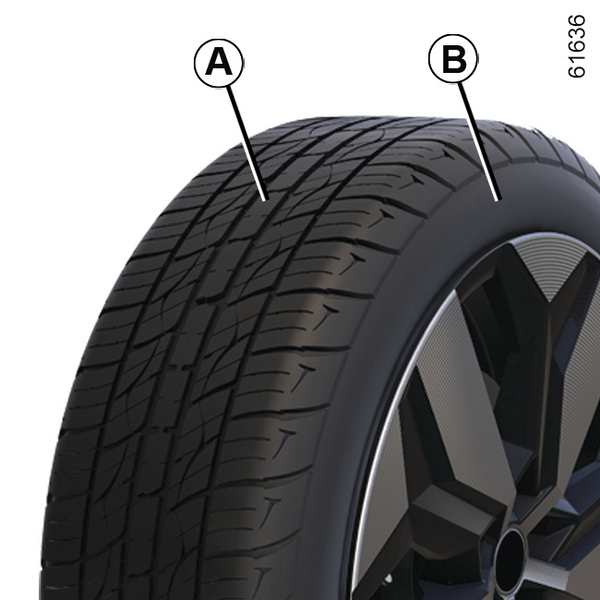
The tyres are the only contact between the vehicle and the road, so it is essential to keep them in good condition.

You must make sure that your tyres con- form to local road traffic regulations.

Chapter

Interior trim maintenance

<?xml version="1.0" standalone="yes"?>

A well-maintained vehicle will last longer. It is therefore recommended to maintain the interior of the vehicle regularly.

A stain should always be dealt with swiftly.

Whatever the type of the stain, use cold (or tepid) soapy water with natural soap.

Detergents (washing-up liquid, powdered products, alcohol-based products) should not be used.

Use a soft cloth.

Rinse and wipe up excess water.

Chapter

Bodywork maintenance

<?xml version="1.0" standalone="yes"?>

A well-maintained vehicle will last longer.

It is therefore recommended to maintain the exterior of the vehicle regularly.

Your vehicle has been treated with very effective anti-corrosion products. It is nevertheless subject to various outside influences.

Corrosive agents in the atmosphere

Chapter

Battery

<?xml version="1.0" standalone="yes"?>

Battery

14001_BJAPH2_007_1_image.jpeg

The battery 1 does not require maintenance. You should not open it or add any fluid.

Chapter

Coolant level

<?xml version="1.0" standalone="yes"?>

Combustion engine coolant

14007_BJAPH2_009_1_image.jpeg

Chapter

Engine oil

<?xml version="1.0" standalone="yes"?>

Engine oil level

General information

It is normal for an engine to use oil for lubrication and cooling of moving parts and it is normal to top up the level between oil changes.

However, contact your approved Dealer if more than 0.11 gal (0.5 litre) is being consumed every 600 miles (1,000 km) after the running in period.

Oil change frequency: check the oil level from time to time and certainly before any long journey to avoid the risk of damaging your engine.

Chapter